Welcome to Our Company




Call Us
08045476324

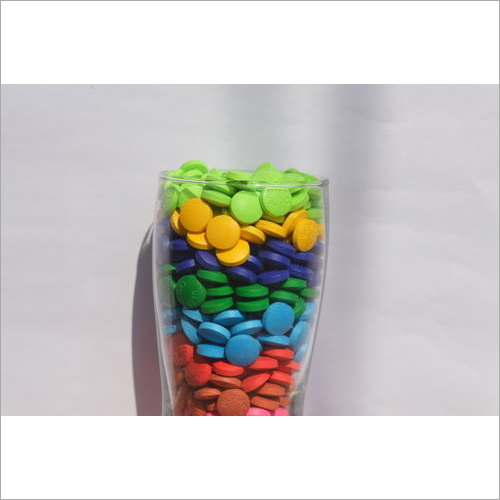
Aqueous Enteric Coating
1200 INR/Kilograms
Product Details:
- Poisonous Non-poisonous
- Loss on Drying <5%
- Ph Level 6.0 7.0 (1% solution)
- Storage Store in cool, dry place in tightly closed containers
- Melting Point Not available / Above 150C
- Shelf Life 36 months Months
- Particle Size 90-150 Microns
- Click to View more
X
Aqueous Enteric Coating Price And Quantity
- 5 Kilograms
- 1200 INR/Kilograms
Aqueous Enteric Coating Product Specifications
- 90-150 Microns
- Pharmaceutical Grade
- 36 months Months
- Tasteless
- Not available / Mixture
- Powder
- Odourless
- Aqueous Enteric Coating
- <5%
- 6.0 7.0 (1% solution)
- Non-poisonous
- Not available / Above 150C
- Pharmaceutical Coating Polymer
- Store in cool, dry place in tightly closed containers
- Protecting tablets from gastric environment; delayed drug release
- Insoluble in water; dispersible under alkaline pH
- Proprietary blend
- Proprietary / Polymer Blend
- <0.002%
- Acrylic Polymer-based Enteric Coating
- >98%
- 39100019
- Fine White to Off-white Powder
- White to Off-white
Aqueous Enteric Coating Trade Information
- Cash Advance (CA), Cash in Advance (CID), Cheque
- 2000 Kilograms Per Month
- 2 - 3 Days
- Yes
- Asia, Australia, Central America, North America, South America, Eastern Europe, Western Europe, Middle East, Africa
- All India
Product Description
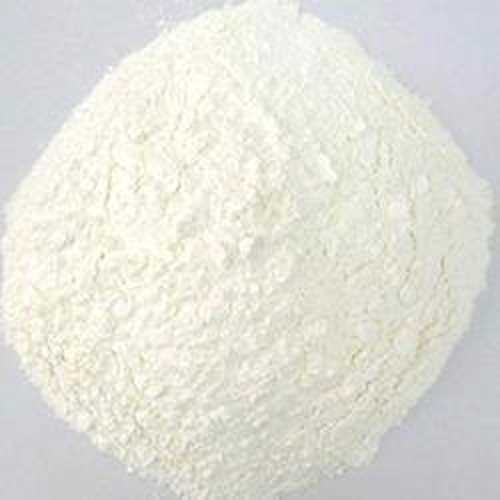
Technical grade Aqueous Enteric Coating is available in 99% pure form. This type of coating material preserves the original quality of pills, tablets and pallets against various external factors. This type of coating is made of minerals present in shellac, waxes, fatty acids and plant fibers. Offered Aqueous Enteric Coating has been formulated under controlled temperature by using quality approved raw materials. Long shelf life, accurate composition, toxin free content and reasonable price are the key aspects of this coating
Specification
|
Purity |
99% |
|
Manufacturing Process |
Readymix tablet coating powder |
|
Grade Standard |
Technical Grade |
|
Type |
Tablet |
Protection and Controlled Drug Release
Aqueous Enteric Coating provides a reliable barrier against gastric fluids, ensuring that any medication reaches the intestinal tract before disintegrating. This enables delayed drug release, enhancing therapeutic efficacy and minimizing gastric irritation. The robust film thickness and pH-responsive breakdown ensure the active ingredients targeted delivery.
Superior Compatibility and Safety
This enteric coating exhibits broad compatibility with a variety of tablet cores and active pharmaceutical ingredients. It is non-poisonous, tasteless, odorless, and conforms to pharmacopeia safety standards, making it suitable for sensitive pharmaceutical applications. The product is easy to handle and meets stringent regulatory requirements for purity and heavy metal content.
Optimized Physical and Chemical Properties
Manufactured as a fine white to off-white powder with particle size ranging from 90-150 microns, this coating maintains integrity under challenging environmental conditions. Its low moisture content, stable viscosity, and suitable glass transition temperature allow for consistent application and storage. The product remains insoluble in water but readily disperses in alkaline pH, ensuring effective enteric protection.
FAQs of Aqueous Enteric Coating:
Q: How is Aqueous Enteric Coating applied to pharmaceutical tablets?
A: Aqueous Enteric Coating is typically dispersed in water under alkaline conditions and applied as a film coating using standard pharmaceutical tablet coating equipment. The recommended film thickness of 4080 microns is achieved through controlled spray or pan coating processes, ensuring uniform coverage and enteric protection.Q: What is the primary benefit of using this enteric coating?
A: The main advantage is its resistance to gastric fluid, which prevents premature release of the drug in the stomach. It ensures tablets disintegrate only in environments with pH higher than 5.5, providing controlled and precise drug delivery to the intestine, improving patient outcomes.Q: When does the coated tablet disintegrate, and why is it important?
A: Coated tablets remain intact in the acidic gastric environment and only disintegrate at pH levels above 5.5, typically found in the intestine. This targeted release profile is vital for medications that can cause gastric irritation or require absorption in the intestinal tract.Q: Where should Aqueous Enteric Coating be stored for optimal shelf life?
A: The product should be stored in cool, dry conditions, tightly closed HDPE drums or multi-layer laminated bags. Proper storage extends shelf life up to 36 months and preserves its physical and chemical properties.Q: Is the coating compatible with most pharmaceuticals and APIs?
A: Yes, the acrylic polymer-based composition is designed to be compatible with most tablet cores and active pharmaceutical ingredients, making it a versatile solution for pharmaceutical manufacturers and formulators.Q: What is the process for ensuring safety and compliance during use?
A: The coating complies with pharmacopeia standards, is non-toxic, and contains less than 0.002% heavy metals, making it safe for use in pharmaceutical applications. Users should follow recommended handling and storage guidelines to maintain product integrity.Tell us about your requirement

Price:
Quantity
Select Unit
- 50
- 100
- 200
- 250
- 500
- 1000+
Additional detail
Mobile number
Email

Other Products in 'Enteric Coating' category


 Send Inquiry
 Send SMS
 Call Me Free
NEHA LIFE SCIENCES PVT. LTD.
GST : 24AABCH2839J1ZM
GST : 24AABCH2839J1ZM

- K/1, Gallops Industrial Park II, Sarkhej Bavla Road, Chanchravdi Vasna, Dist-Sanand, Ahmedabad - 382213, Gujarat, India
- Mrs Hema Jatin Gandhi (Director)
- Mobile : 08045476324
- Phone : 08045476324
- Send Inquiry
 Send Inquiry
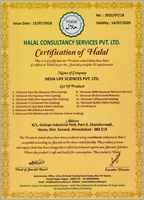
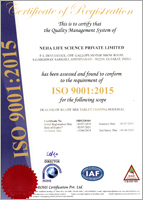
Certificate

|


NEHA LIFE SCIENCES PVT. LTD.
All Rights Reserved.(Terms of Use)
Developed and Managed by Infocom Network Private Limited.
Developed and Managed by Infocom Network Private Limited.

